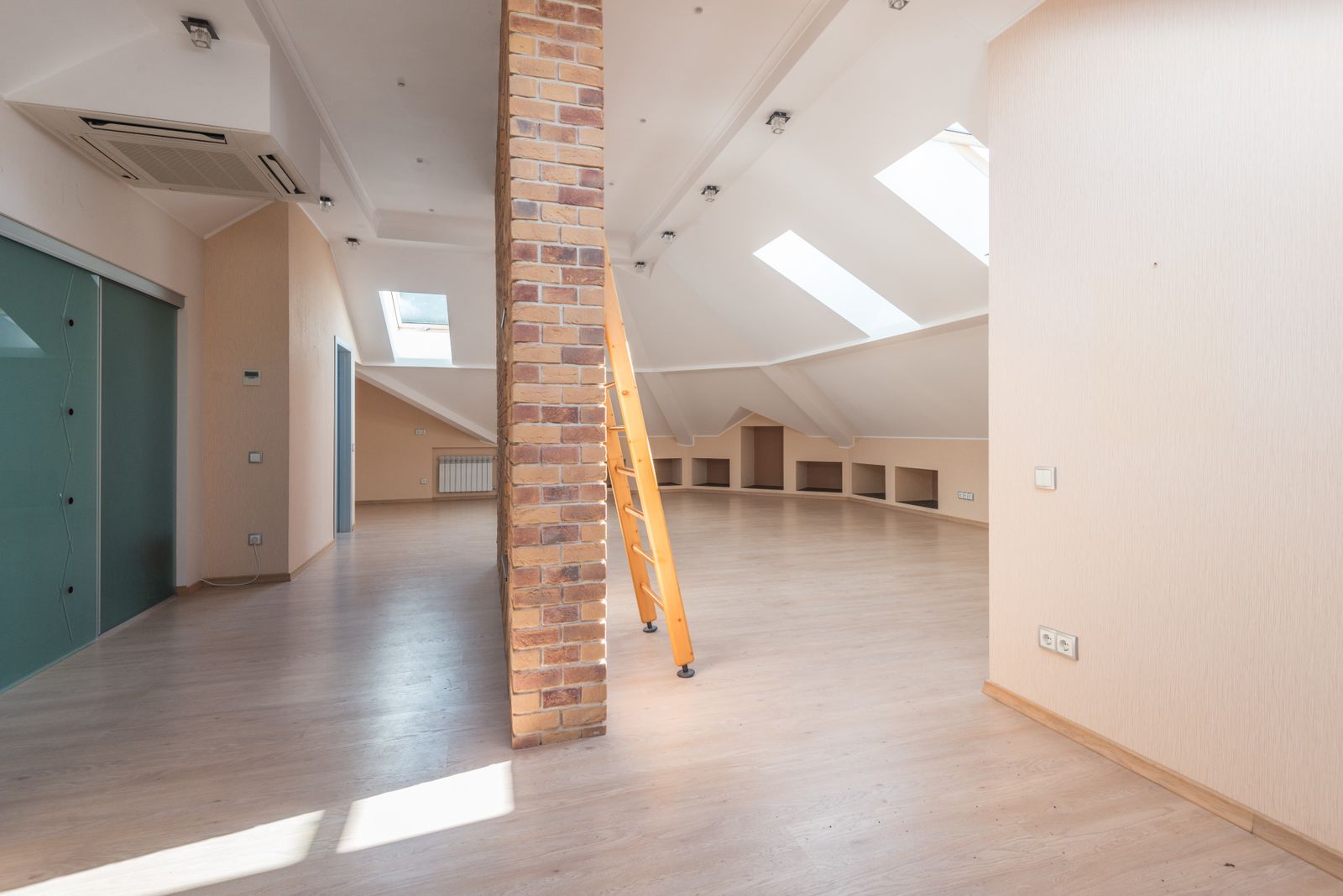
Attic Insulation in Denver, CO
[FREE WRITTEN ESTIMATE — CONFIRM WITH OWNER]What we do
Attic insulation and air sealing for homes across Denver & the Front Range, plus walls and crawl spaces. We measure what you have before quoting anything.
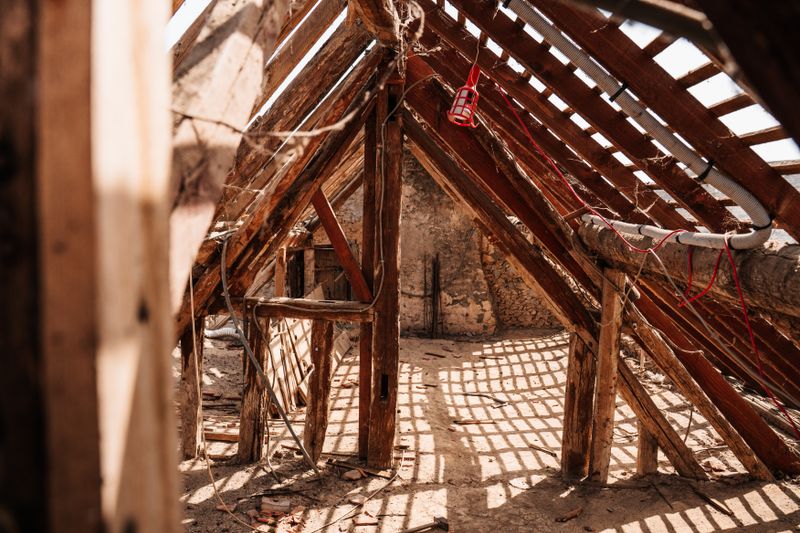
Attic blow-in
Loose-fill cellulose or fiberglass blown to depth over a sealed attic floor, with baffles at the eaves and a measured final R-value left on a card by the hatch.
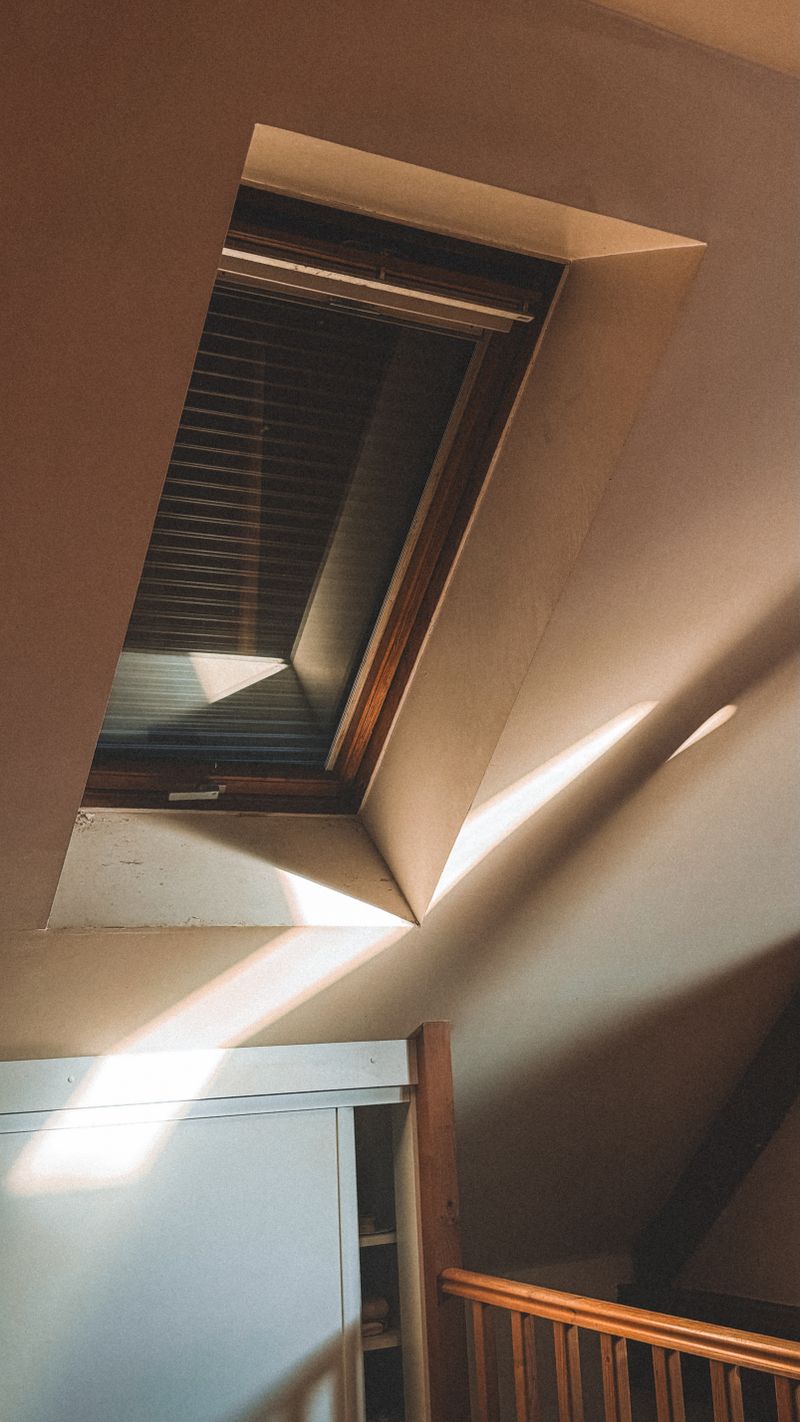
Air sealing
Top plates, can lights, chases, and attic hatches sealed before insulation goes in. The step that makes everything above it actually work.
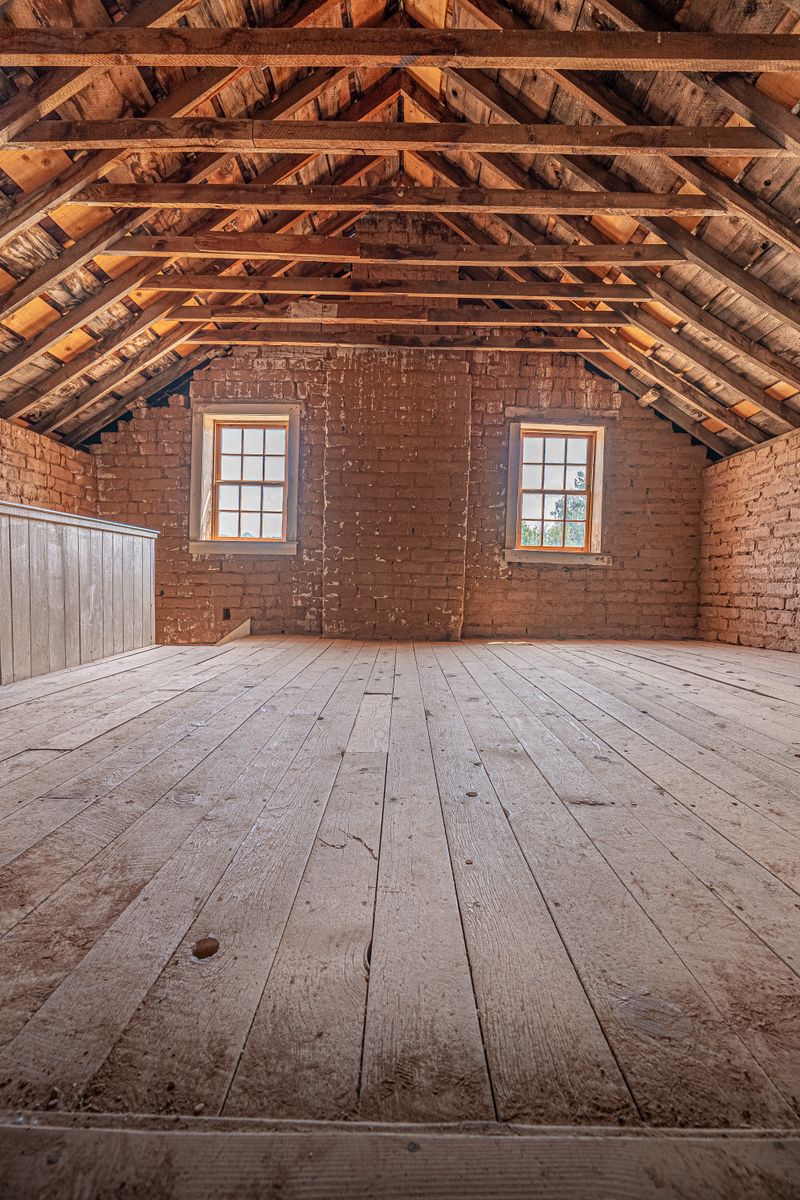
Wall injection
Dense-pack into empty stud cavities from the exterior or interior, patched and finished. For cold rooms in older homes where the walls were never insulated at all.
Crawl space
Rim joist and floor insulation, vapor barrier, and vent detailing so the floor above stops feeling like the outdoors in January.
Spray foam
Open and closed cell foam for rim joists, cathedral ceilings, and additions where there's no room for anything else to do the job.
Insulation removal
Water-damaged, pest-infested, or flattened insulation vacuumed out and the space sanitized before anything new goes down.
Commercial
Offices, retail, warehouses, and multi-unit buildings. We work around your hours and quote by phase if the job needs to run that way.
Just the attic, or the whole house?
Most homes only need the attic. Some are losing heat in three places at once. Here's how to tell which one you are — and it costs nothing to be wrong.
Start with the attic if
We seal the leaks, blow to depth, and finish in a day.
Look at the whole house if
We assess attic, walls, and crawl space together, then stage the work so the biggest loss goes first.
Three steps, no surprises
Call or text us
Tell us which rooms are cold or which bills look wrong. We book a time that works, usually within the week.
We measure and quote
We check attic depth, air leaks, and access, then hand you a written price. No pressure to sign on the spot.
We do the work
Most homes are a one-day job. We seal, insulate, mark the depth, clean up, and leave the paperwork with you.
Insulation doesn't last forever
Old fiberglass settles and flattens. Roof leaks and humidity ruin its R-value. Mice and squirrels tunnel through it. Any of these and you're paying to heat insulation that stopped working years ago.
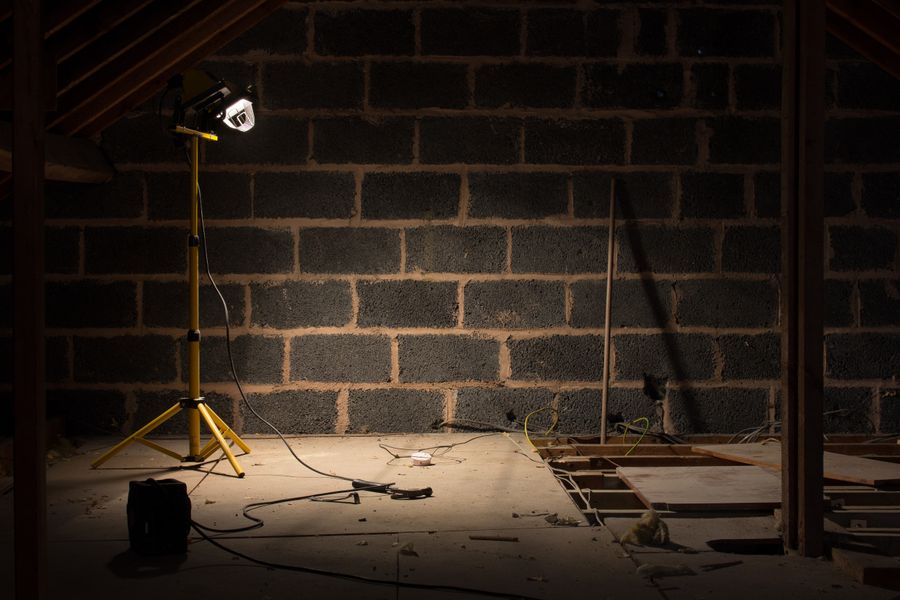
Free attic assessment
Depth measured, leaks found, R-value written down — whether or not you hire us.
Claim it by textFour things you can check
Everything in this band is verifiable in about a minute. The bracketed slots are waiting on the owner — send them over and they go live.
Years doing this work
How long the business has been insulating homes in this area, under this name.
Licensed and insured
The contractor licence number and insurance carrier, printed so you can look them up yourself.
What's warranted
What's covered, for how long, and what voids it — in plain words, on the quote.
Attics finished
A real count from the job records, not a round number picked to sound big.
This part is a demo. Everything else is your site.
Where we work
Based in Denver, CO, working across Denver & the Front Range. Don't see your town? Call and ask — we go further for whole-house jobs.
Denver, Aurora, Lakewood, Arvada, Westminster, Thornton, Centennial, Littleton, Englewood, Wheat Ridge, Broomfield, Commerce City, Northglenn, Golden, Parker, Highlands Ranch
These have to match your Google Business Profile character for character — send us what it says and we'll mirror it.
Questions we get weekly
How much attic insulation should a Denver home have?
The Front Range sits in climate zone 5, where the Department of Energy recommends R-49 to R-60 in the attic — roughly 16 to 20 inches of blown-in. Homes built here in the 1970s and 80s were commonly done to R-19, so many are less than half way there. We measure your depth in three places and tell you the number before quoting anything.
How do I know if my attic needs more insulation?
If you can see the tops of the ceiling joists when you look across the attic floor, you're low. Cold upstairs rooms, ice dams at the eaves, and uneven bills point the same direction. We measure the existing depth and tell you what you have before quoting anything.
How long does insulation work take?
Most attics are a one-day job, start to finish. Wall injection and crawl space work depend on access and square footage, and that timeline goes in the written quote before anyone starts.
Do I need air sealing too, or just insulation?
Insulation slows heat; air sealing stops it leaking out entirely. Adding depth over unsealed top plates and can lights wastes part of what you pay for, so the leaks get sealed first wherever it matters.
Is insulation work messy?
There's dust in the attic, not in your house. Hose protection runs through the hallway, drop cloths go down at the hatch, and the work area gets vacuumed before the crew leaves.
Are there rebates available for insulation?
Most of the metro is served by Xcel Energy, which runs rebates on insulation and air sealing, and income-qualified households can also go through Energy Outreach Colorado. Programs change and some run out of funding mid-year, so we check what your job qualifies for the day we quote and fill out the paperwork with you.
Will more insulation stop my ice dams?
Usually, because ice dams form when heat escaping the house melts snow on a cold roof. Sealing the air leaks and bringing the attic up to depth keeps the roof deck cold, which is what stops the melt-and-refreeze cycle.
Do you remove the old insulation first?
Only when it needs to go. Dry, intact insulation can usually be topped up. Water-damaged, rodent-infested, or flattened material gets vacuumed out and the space sanitized first, and we tell you which case you're in before we quote.
Let's get it handled
Tell us the address and which rooms won't stay warm. A photo of your attic hatch helps — send it right in the text and we'll tell you what we'd look at.